Martial Arts Protective Gear for Training and Competition
Martial arts protective gear helps reduce the impact of contact during practice, sparring, and competition while supporting freedom of movement. The right equipment depends on the discipline, training intensity, rules, and areas of the body that need coverage. Common choices include boxing and sparring gloves, hand wraps, shin guards, headgear, mouthguards, groin protectors, chest guards, and foot pads. Some practitioners also use elbow or knee pads for specific drills or styles. Karate, taekwondo, kickboxing, Muay Thai, and mixed martial arts can call for different combinations, so check your gym's guidance and competition requirements before buying. Protective equipment is not a substitute for instruction or safe training practices. A well-chosen set should fit securely, stay in place during movement, and feel comfortable enough for consistent use.
- Build a discipline-appropriate training setup
- Balance coverage, comfort, and mobility
- Check class and competition requirements
Gloves, Hand Wraps, and Foot Protection
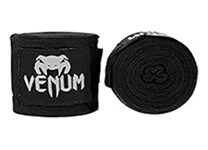
Gloves and hand wraps support the hands and wrists during striking, while foot guards help cushion contact and protect the toes and instep. Boxing-style gloves are commonly selected by weight and intended use; lighter designs may suit drills, while sparring gloves generally provide more padding. Wraps help stabilize the wrist and knuckles beneath gloves, but should not restrict circulation. Karate and taekwondo foot protectors are often lightweight and shaped for quick movement, whereas kickboxing and Muay Thai shin guards cover a larger striking area. Look for secure closures, reinforced seams, and padding that stays evenly positioned. Brands such as adidas, Venum, and Hayabusa offer examples of products across striking disciplines. Ubuy can help shoppers discover international martial arts protective gear and compare product descriptions, sizing details, and intended uses.
- Match glove weight to training purpose
- Use wraps beneath gloves when appropriate
- Check foot and shin coverage by discipline
Head, Mouth, and Body Protection
Headgear, mouthguards, and body protectors address different training needs and should be chosen according to the activity and applicable rules. Headgear may cover the forehead, cheeks, chin, or ears; greater coverage can feel warmer or affect visibility, so fit and sightlines matter. A mouthguard should sit securely without making breathing or speaking unnecessarily difficult, and some models are moldable for a closer fit. Chest protectors and body shields cushion contact to the torso, while groin protectors provide targeted coverage. Certain styles may use removable or adjustable components to improve fit. For grappling or mixed training, avoid bulky pieces that interfere with movement or create snagging risks. Confirm that each item is intended for your specific activity, and ask a qualified coach about required protection before sparring or entering an event.
- Choose coverage suited to the contact level
- Prioritize clear vision and secure fit
- Verify rules before sparring or competition
Materials, Padding, and Fit
Martial arts equipment commonly combines synthetic leather or genuine leather outer materials with foam padding, fabric linings, elastic panels, and hook-and-loop closures. Synthetic materials can be easy to wipe clean, while leather products may need care suited to the manufacturer's instructions. Padding density, thickness, and placement affect how a guard feels and moves; more padding does not automatically mean a better fit for every discipline. Use the brand's size chart and measure the relevant body area rather than relying only on a familiar clothing size. Check that straps close fully, edges do not rub, and guards stay positioned through basic movement. For growing athletes, avoid choosing oversized equipment simply to allow extra room, since loose gear can shift and reduce practical coverage. Review product specifications for materials and care guidance.
- Compare materials and padding construction
- Use size charts and body measurements
- Check stability during movement
Compatibility, Care, and Training Use
Protective gear should work together as a comfortable training setup. Check whether gloves leave enough space for hand wraps, whether shin guards fit securely beneath or over training clothing, and whether headgear or mouthguards suit the rules of your class. Equipment used for striking may not be suitable for grappling, weapon-based practice, or every competition format. After training, follow the care label: many items benefit from being aired out, wiped with a suitable cloth, and stored dry rather than left compressed in a closed bag. Do not use harsh cleaners unless the manufacturer permits them, and inspect stitching, closures, padding, and shells regularly for wear. Replace damaged or poorly fitting gear. Ubuy offers a way to explore international products across protective categories; compare product details and confirm intended use before adding items to your kit.
- Check how gear layers and fits together
- Air out equipment after use
- Inspect wear and follow care instructions
Select the Right martial arts protective gear
Start by identifying your martial art, whether the gear is for solo drills, partner practice, sparring, or competition, and which items your instructor or event rules require. Next, compare fit, coverage, padding, material, closure style, and ease of care. Consider comfort during realistic movement: raise your guard, bend your knees, step, and practice controlled techniques to notice slipping, pinching, or restricted motion. Confirm sizing for every piece rather than assuming one brand's measurements match another's. Beginners may prefer to purchase essential items first and add discipline-specific protection as their training develops. More experienced athletes can compare specialist designs for their style and level of contact. Ubuy can be used to discover international martial arts protective gear; review product descriptions, size guidance, and compatibility details carefully so your selection suits your training needs.
- Begin with discipline and training purpose
- Prioritize secure fit and usable mobility
- Compare specifications before purchasing